


Jorge Leon, analyst at Rystad Energy, said ahead of the expected increase that it “means very little while the Strait of Hormuz remains closed”.

OPEC+ Approves July Oil Output Increase Amid Middle East Tensions
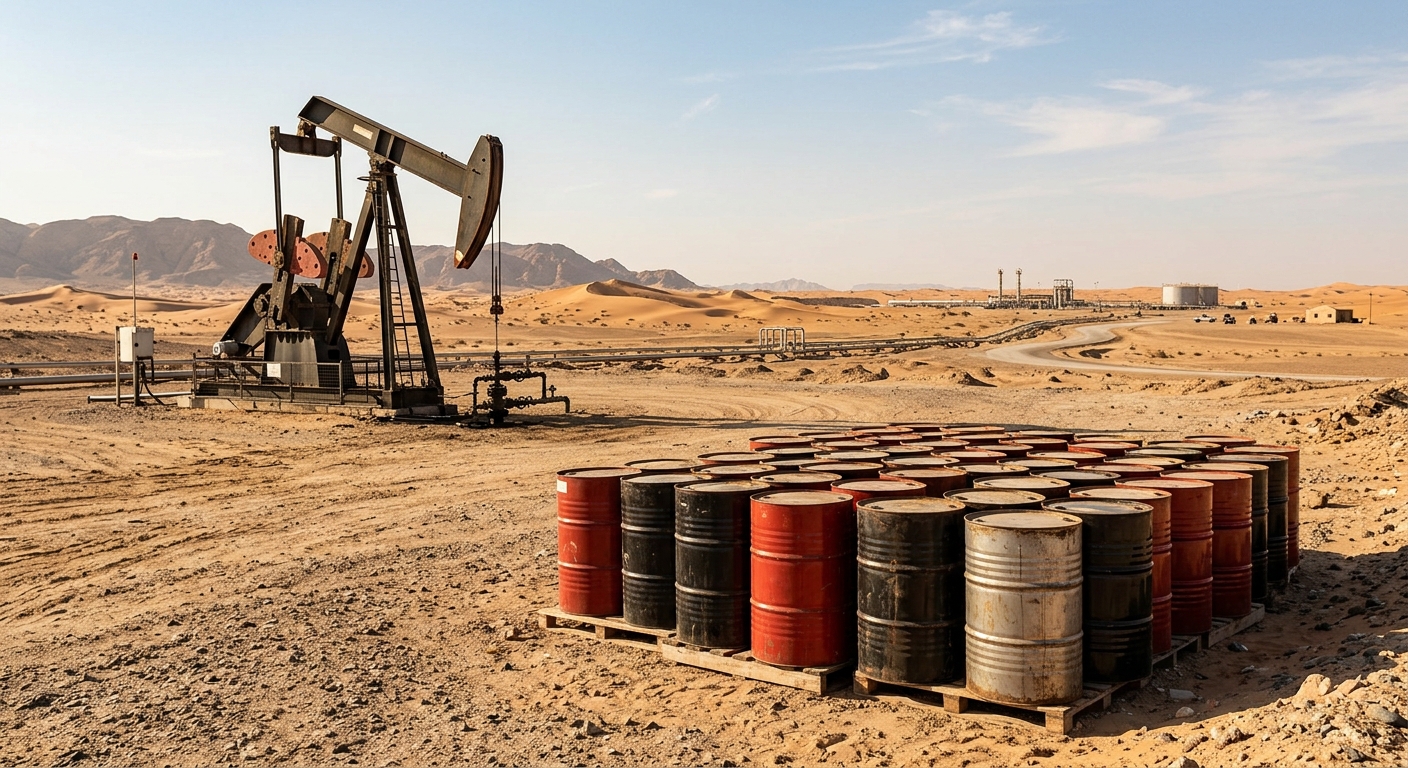
Oil-producing nations within the OPEC+ alliance have agreed to raise production quotas by 188,000 barrels per day beginning in July, despite ongoing geopolitical tensions that continue to influence global energy markets.
The decision was reached during a virtual meeting involving key OPEC+ members, including Saudi Arabia, Russia, Iraq, Kuwait, Kazakhstan, Algeria and Oman. The increase follows similar production adjustments approved in recent months as the group seeks to maintain stability in the oil market.
Industry experts believe the latest output increase is unlikely to significantly affect oil prices in the short term, particularly as concerns remain over disruptions to global supply routes linked to conflict in the Middle East.
According to energy analysts, market participants are currently focused more on the availability of physical oil supplies than on production quota announcements. The continued uncertainty surrounding the Strait of Hormuz, one of the world’s most important oil transit routes, remains a major factor influencing prices.
OPEC+ said the decision reflects its commitment to supporting market balance while allowing participating countries to gradually adjust previous voluntary production cuts. The alliance emphasized that it would continue to monitor market conditions closely and retains the flexibility to increase, pause or reverse production changes if necessary.
The group also reaffirmed its cautious approach to managing supply, noting that future decisions will depend on developments in global demand and broader economic conditions.
Analysts warn that if tensions in the Middle East ease and shipping routes return to normal operations, the market could quickly shift from concerns about shortages to fears of oversupply. Increased OPEC+ production, combined with higher output from U.S. shale producers and slower demand growth, could place downward pressure on oil prices in the months ahead.
For now, however, uncertainty surrounding regional security remains a key driver of market sentiment, limiting the immediate impact of the latest production increase.










Leave a Reply